
Did you know? |
There are specialized oscilloscopes available for power measurements featuring up to 8 voltage and current channels (direct high voltage and current input). Read more...
Latest Oscilloscope News |
| Promotion | Supplier | Start Date | End Date | Link | Region |
 The following table lists special offers, bargains and promotions for oscilloscopes. There might be also education discounts and price-reduced products available in the form of used or refurbished instruments. For details and terms & conditions please click on "Link", visit the websites of manufacturers and distributors or contact your local sales representative.
Please be aware that the listed promotions are subject to change without notice. All information is provided without any warranty or guarantee as to the accuracy, completeness, timeliness or suitability of the information. Please ask your sales representative for detailled information.
Please note that you may be redirected to external websites when clicking on links.
If you know other oscilloscope promotions or special offers not listed here, please let us know:
Oscilloscope Basics |
Oscilloscope Probes – Vital Link in the Measurement Chain
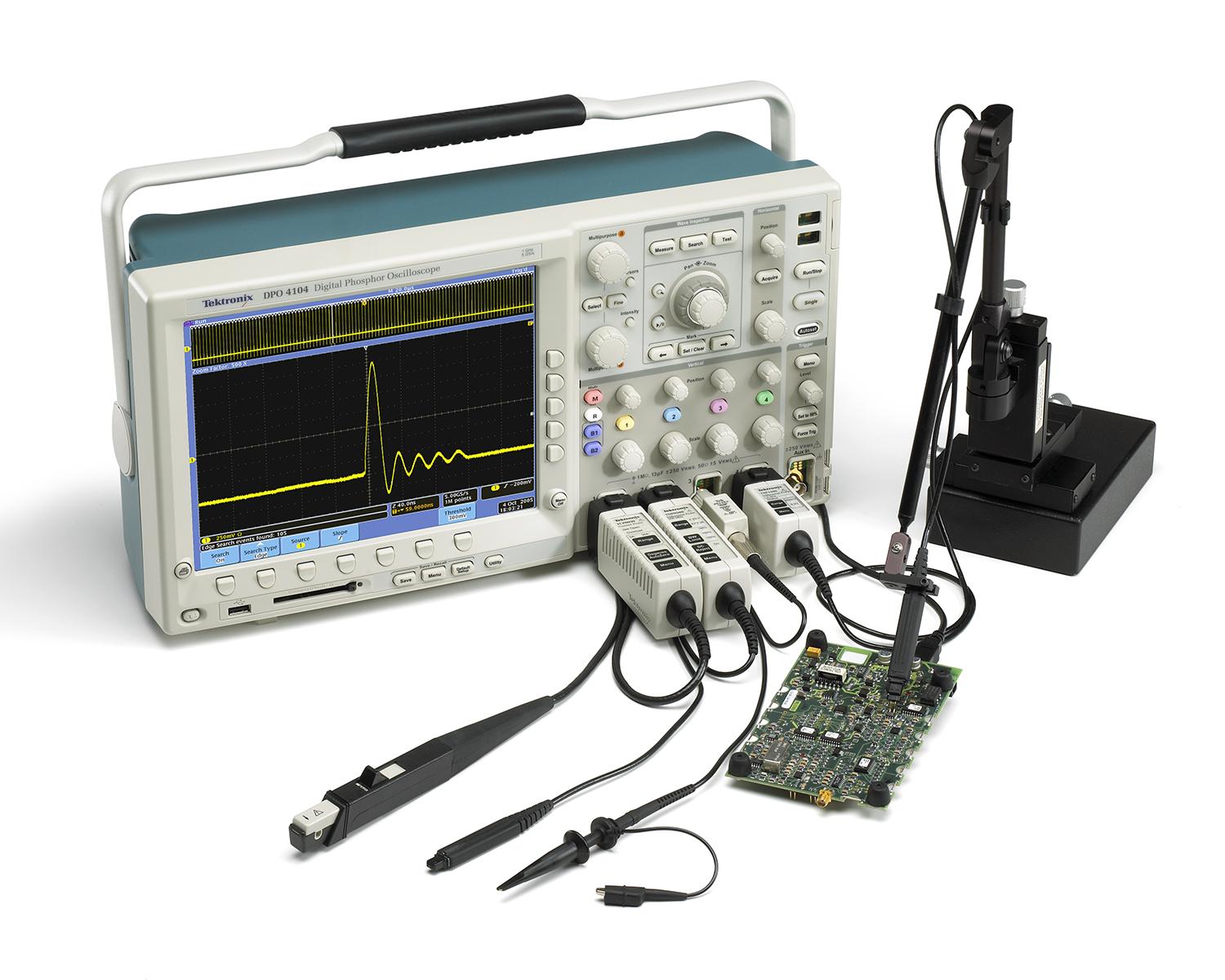 Signal measurement results can only be as accurate as the test and measurement tools in use. As clock rates and edge speeds of today’s electronic circuits increase, probing becomes a critical piece of the measurement system – the component that comes in direct contact with your circuit. This article looks at voltage probing considerations for embedded system and digital design debugging applications.
Oscilloscope Background |
A simple method to verify the bandwidth of your probe
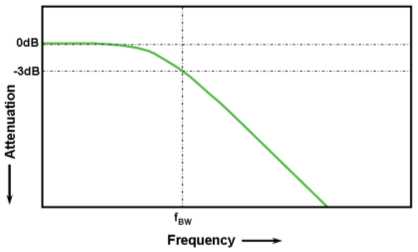 In oscilloscopes or oscilloscope probes, bandwidth is a measure of the width of a range of frequencies measured in Hertz. Specifically, bandwidth is specified as the frequency at which a sinusoidal input signal is attenuated to 70.7 percent of its original amplitude, also known as the -3 dB point. Most oscilloscope companies design the scope/probe response to be as flat as possible throughout its specified frequency range, and most customers simply rely on the specified bandwidth of the oscilloscope or oscilloscope probes, wondering if they are indeed getting the bandwidth performance at the probe tip. Now you can use these step-by-step instructions to simply measure and verify the bandwidth of your probe with an oscilloscope you may already have.